
Hoya polyneura (Hoya polyneura)
Hoya polyneura is reported to be a trailing epiphyte. It is reported to be a perennial evergreen herb.
Watch: 21 Hoyas: Water Less, Wait Longer
Overview
Hoya polyneura is reported to be a trailing epiphyte. It is reported to be a perennial evergreen herb.
Origin and habitat
Hoya polyneura is reported to be native from the Himalayan region to northwestern Yunnan, China, where it grows as an epiphyte.
Characteristics
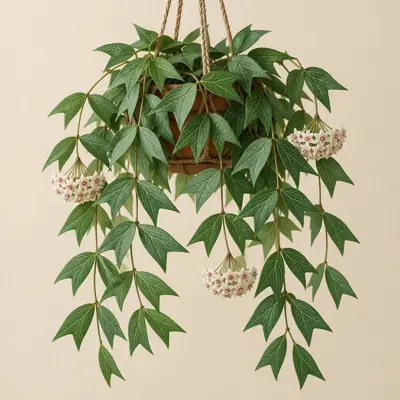
It is reported to have a moderate growth rate. The leaves are reported to have fine, conspicuous veins and a shape described as resembling a mermaid tail. Fruits of the genus Hoya are reported to be paired follicles that split open when mature and release seeds with tufts of hairs.
Light
It is reported to favor bright light, dappled shade, or morning sun, while avoiding full sun throughout the day.
Watering
It is generally grown in a well-drained medium that is allowed to dry between waterings, avoiding prolonged wetness and water around the roots.
Temperature and dormancy
It is reported to be frost tender and should be kept above freezing.
Growing medium and mounting
It is reported to favor a well-drained potting medium containing organic matter.
Propagation
Most Hoya are reported to be propagated from stem cuttings.
Common problems
It may be affected by aphids, spider mites, and mealybugs. Root rot may occur when the medium or container drains poorly or the roots remain excessively wet for prolonged periods. It is reported not to tolerate prolonged waterlogging of the potting medium, and excessive water retention in the container may cause root rot. It is reported not to tolerate frost.
Identification
The tail-fin-like leaf shape and fine venation are reported to be conspicuous features and are the basis for the common name fishtail hoya.